Be Safe During Tornadoes
Overview
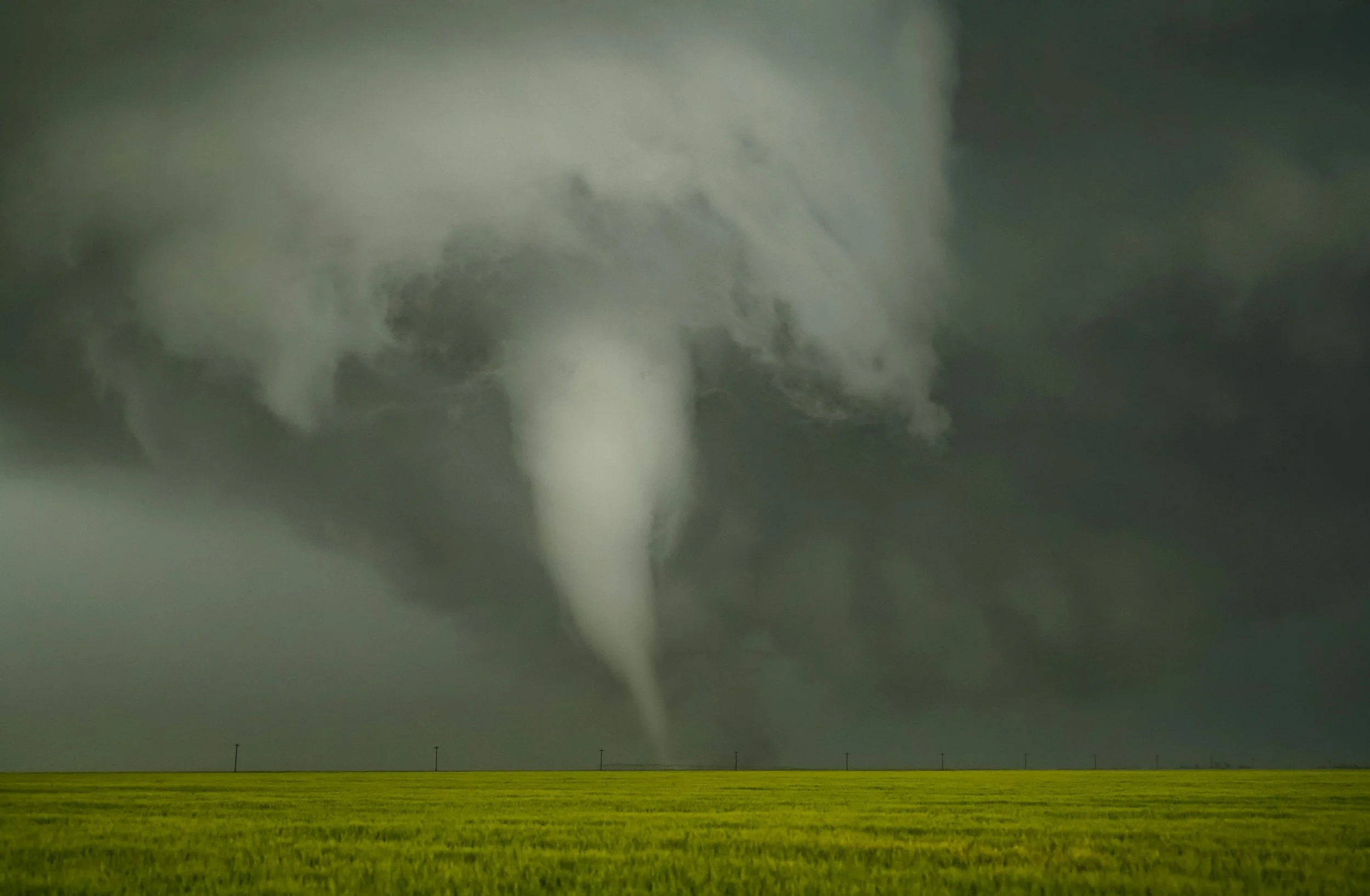
Tornadoes are fast-moving, high-intensity wind events produced by severe thunderstorms, most commonly supercells. In regions like Missouri and the greater Midwest, they can form rapidly and produce life-threatening conditions with very little lead time. Because of this, survival depends almost entirely on immediate sheltering once warnings are issued by the National Weather Service.
Safest Places to Shelter
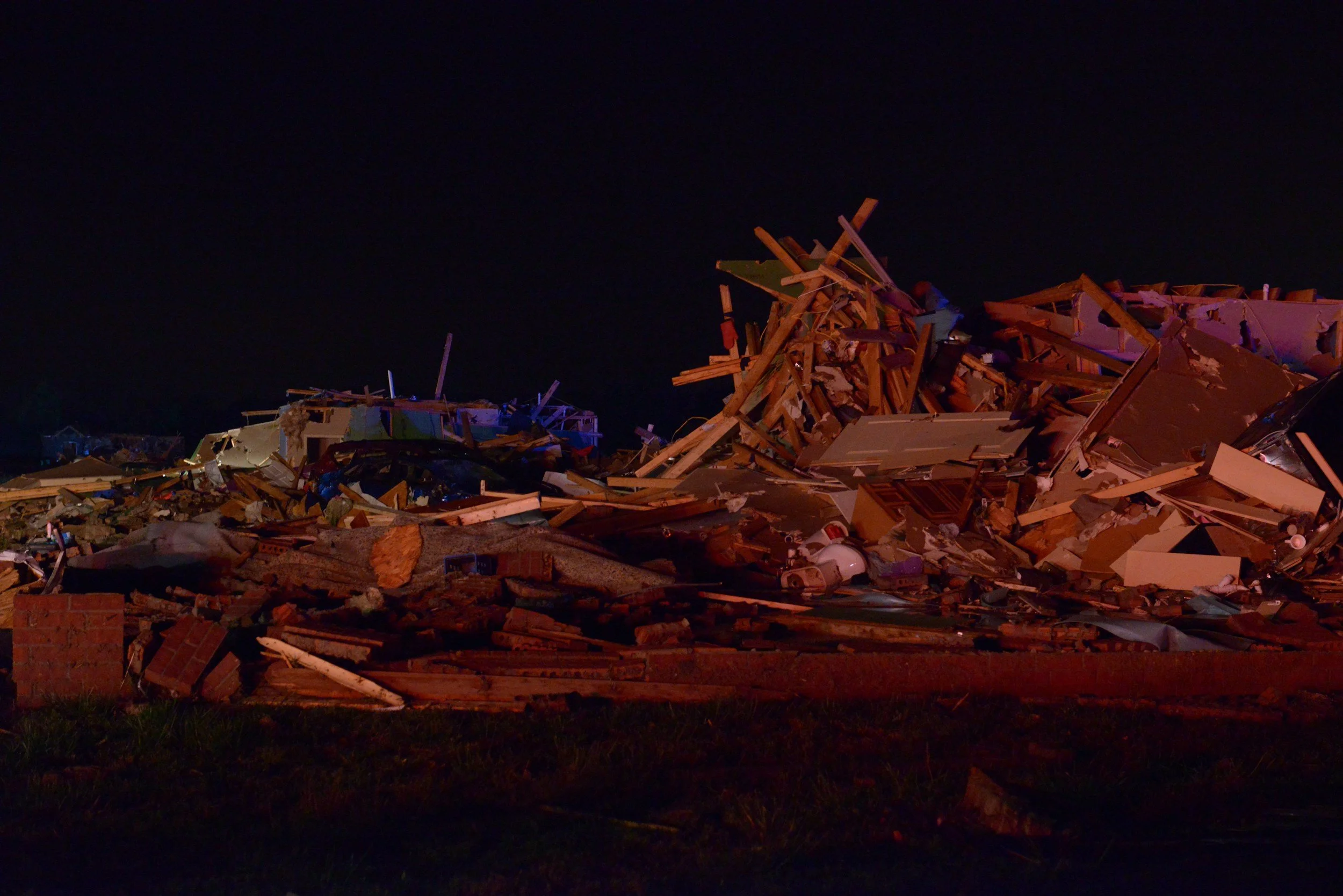
A basement or underground storm shelter offers the highest level of protection. These locations significantly reduce exposure to both structural collapse and airborne debris due to surrounding earth or reinforced construction.
If a basement is unavailable, the safest alternative is a small interior room on the lowest floor of a sturdy building. Bathrooms, closets, and interior hallways are preferred because they avoid exterior walls, windows, and large open-span roofs that are more likely to fail or allow debris penetration.
Main Cause of Injuries and Deaths
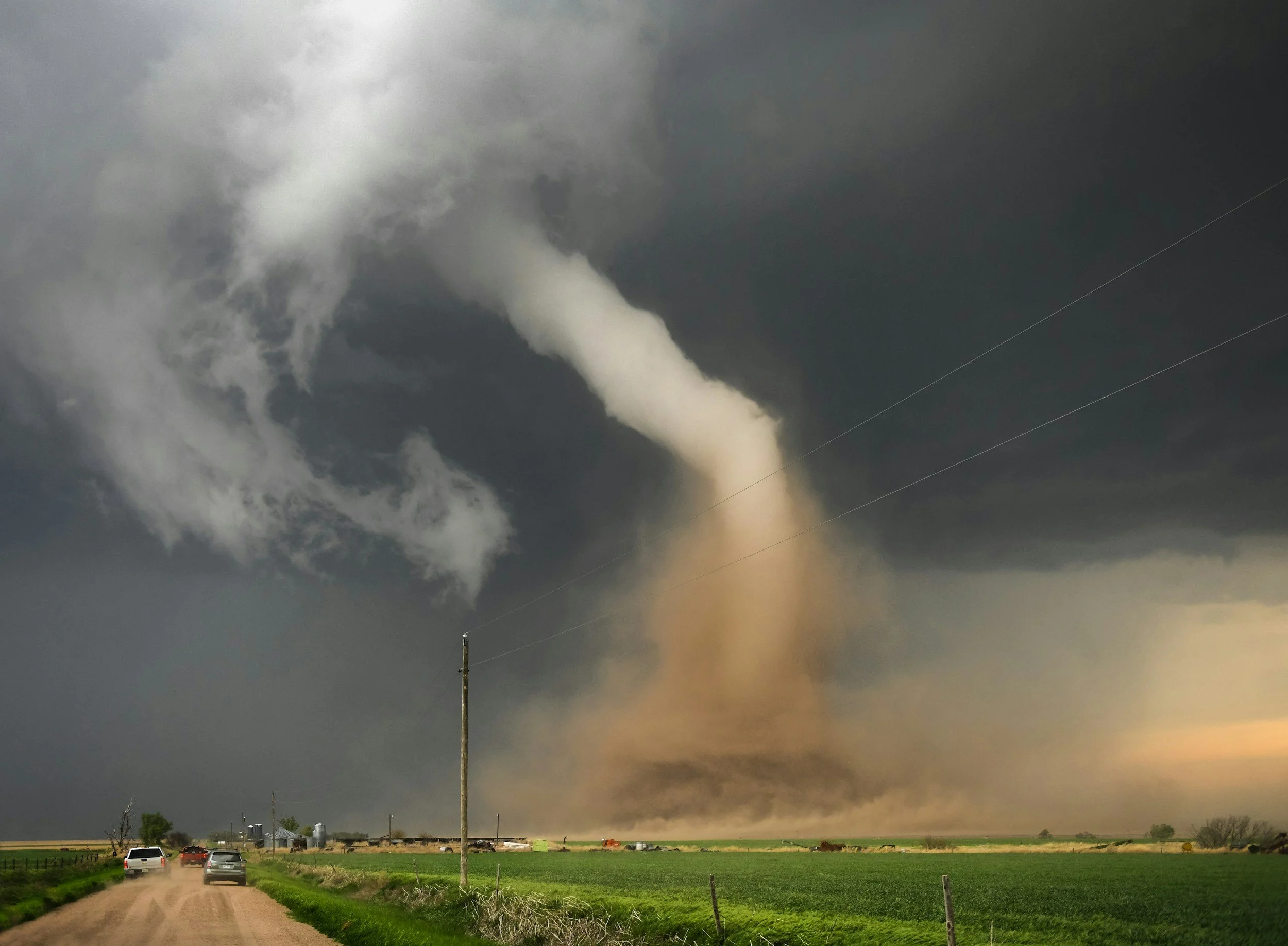
The most dangerous element in a tornado is windborne debris. Most fatalities and serious injuries are not caused directly by wind pressure, but by objects turned into high-speed projectiles. Roof shingles, glass, wood, metal fragments, insulation, signage, and tree limbs can all become lethal when accelerated by tornadic winds.
Structural collapse is also a major risk, but even partial building failure becomes deadly primarily because it introduces debris into enclosed spaces. Protecting yourself from debris impact is therefore the central principle of tornado safety.

Unsafe Shelter Locations
Mobile homes and manufactured housing are highly vulnerable to tornado winds and should never be used as shelter. They can fail rapidly under relatively low wind thresholds compared to permanent structures.
Vehicles are also unsafe during tornadoes and do not provide meaningful protection from debris or wind forces. Outdoor environments are especially dangerous due to direct exposure to airborne objects and structural hazards.
If You Are Outdoors
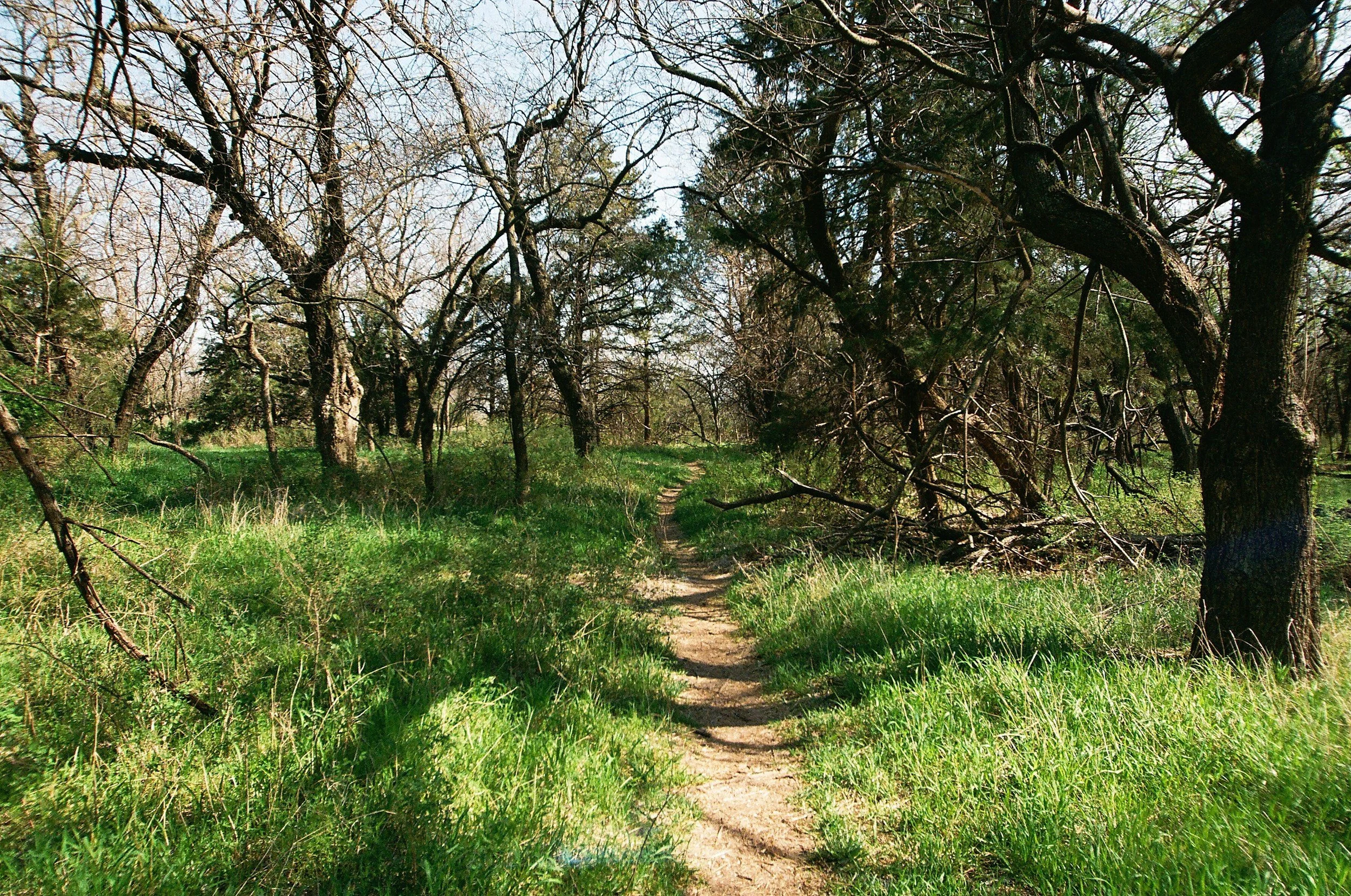
If no building is available, the priority is minimizing exposure to debris. Move away from vehicles, trees, fences, and any objects that could break or become airborne. If time allows, reach a low-lying area such as a ditch or depression and lie flat while covering your head and neck with your arms or any available material.
Overpasses should not be used as shelter. Wind speeds can increase in these areas, and debris can become concentrated, increasing the risk rather than reducing it.
If You Are in a Vehicle
If a tornado warning is active or a tornado is visible and a sturdy building can be reached safely, you should leave the vehicle and seek shelter immediately.
If no shelter is available, the vehicle should not be considered safe protection. Move to a low-lying area away from traffic and protect your head and neck. Driving conditions during tornado events are often extremely hazardous due to low visibility, heavy precipitation, and debris.
Warning Information
Tornado warnings issued by the National Weather Service indicate that a tornado is occurring or strongly indicated by radar or observation. These warnings require immediate sheltering without delay.
A tornado watch means conditions are favorable for tornado development and increased awareness is required. A warning means action must be taken immediately.
Reliable alert systems include NOAA Weather Radio, mobile emergency alerts, and local broadcast systems. Multiple sources should be used for redundancy.


Protective Positioning Indoors
Once inside a shelter, the priority becomes reducing injury from debris. Most injuries occur from flying or falling objects rather than direct wind force.
You should stay low to the ground and protect your head and neck using helmets, thick blankets, mattresses, cushions, or heavy furniture. Positioning yourself away from doors and windows further reduces exposure to debris entering the shelter space.