
1000+ dead after flooding in Nepal and China.
More than 1,100 people have been confirmed dead in Nepal as rescuers search damaged valleys and hydropower tunnels for thousands still missing
Content warning: This article discusses a deadly natural disaster. Some linked images or videos may be distressing. Viewer discretion is advised.
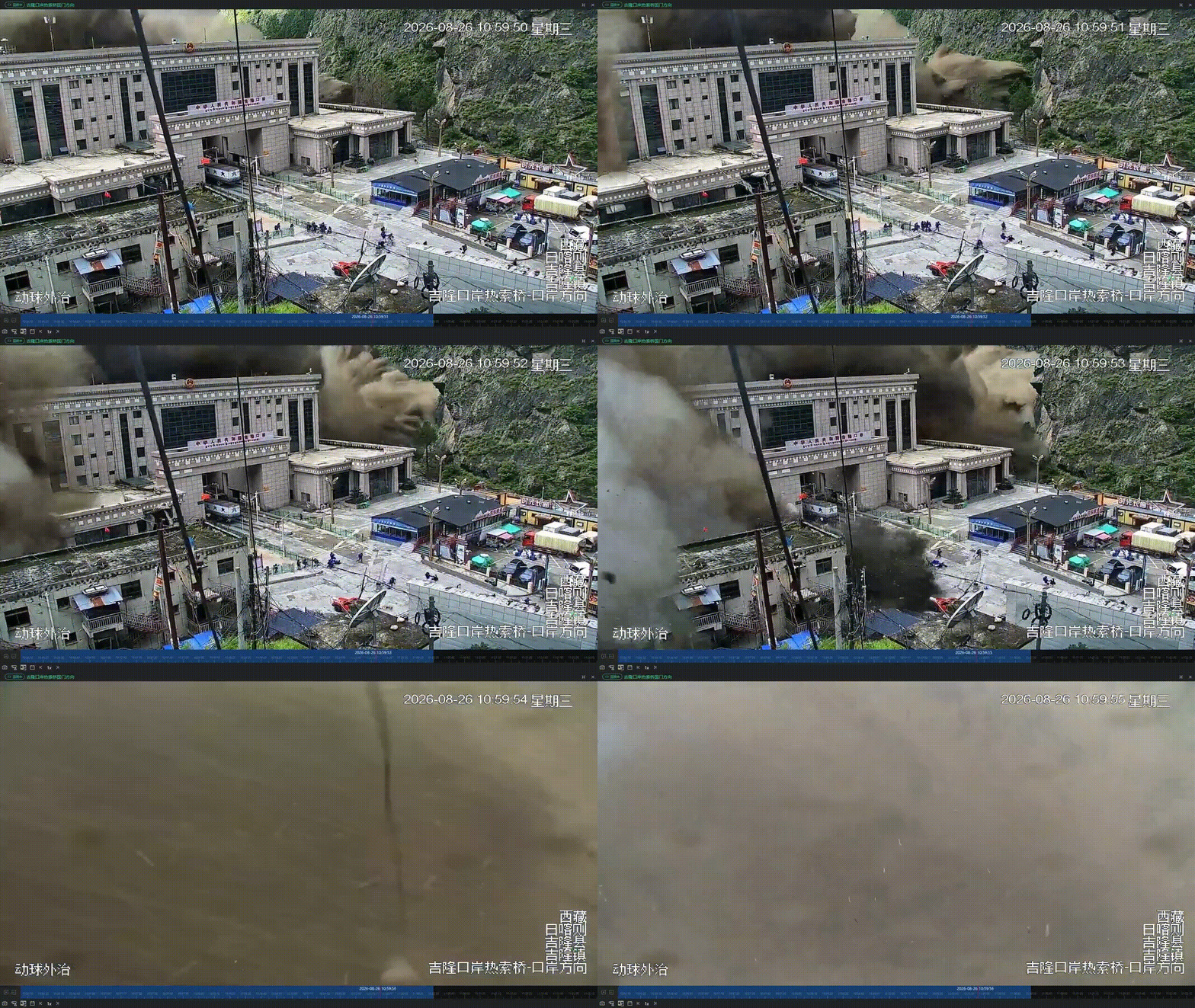
Floodwater, mud, ice and rock devastated communities near the Nepal–Tibet border after a glacier collapse on August 26, 2026.
A catastrophic flash flood tore through communities near Nepal’s border with Tibet on August 26, sending a fast-moving mixture of water, mud, ice and rock through narrow Himalayan valleys. The disaster destroyed homes, roads, bridges, and hydropower facilities, isolated communities, and left families searching for thousands of missing people.
More than a week later, the scale of the tragedy is still becoming clear. By September 2, Nepal had confirmed more than 1,100 deaths and reported thousands of people missing. Authorities in Tibet had reported at least 21 deaths, and hundreds were still unaccounted for. These totals remain preliminary and may change as search teams reach isolated areas and identify victims.
Footage shows the speed and force of the debris-filled flood near the Nepal–Tibet border.
A Disaster That Began High in the Himalayas
Investigators believe the flood began when part of a glacier collapsed in the mountains near Nepal’s Langtang region. The collapse sent ice and rock into the Lhende Khola river system, creating a powerful debris flow that traveled downstream through Rasuwa and Nuwakot districts and toward the Gyirong border area in Tibet.
The surge moved through steep, confined terrain where communities and infrastructure sit close to rivers. In those conditions, a flow carrying boulders, sediment and pieces of ice can become far more destructive than water alone. Videos and satellite imagery showed entire sections of the landscape covered by debris after the flood.
Early reports examined whether a magnitude 4.4 tremor contributed to the collapse. Scientists are continuing to study seismic data, temperatures, satellite imagery and the condition of the glacier. Although warming can increase instability in high-mountain environments, determining the exact role of climate change in a single event requires further analysis.
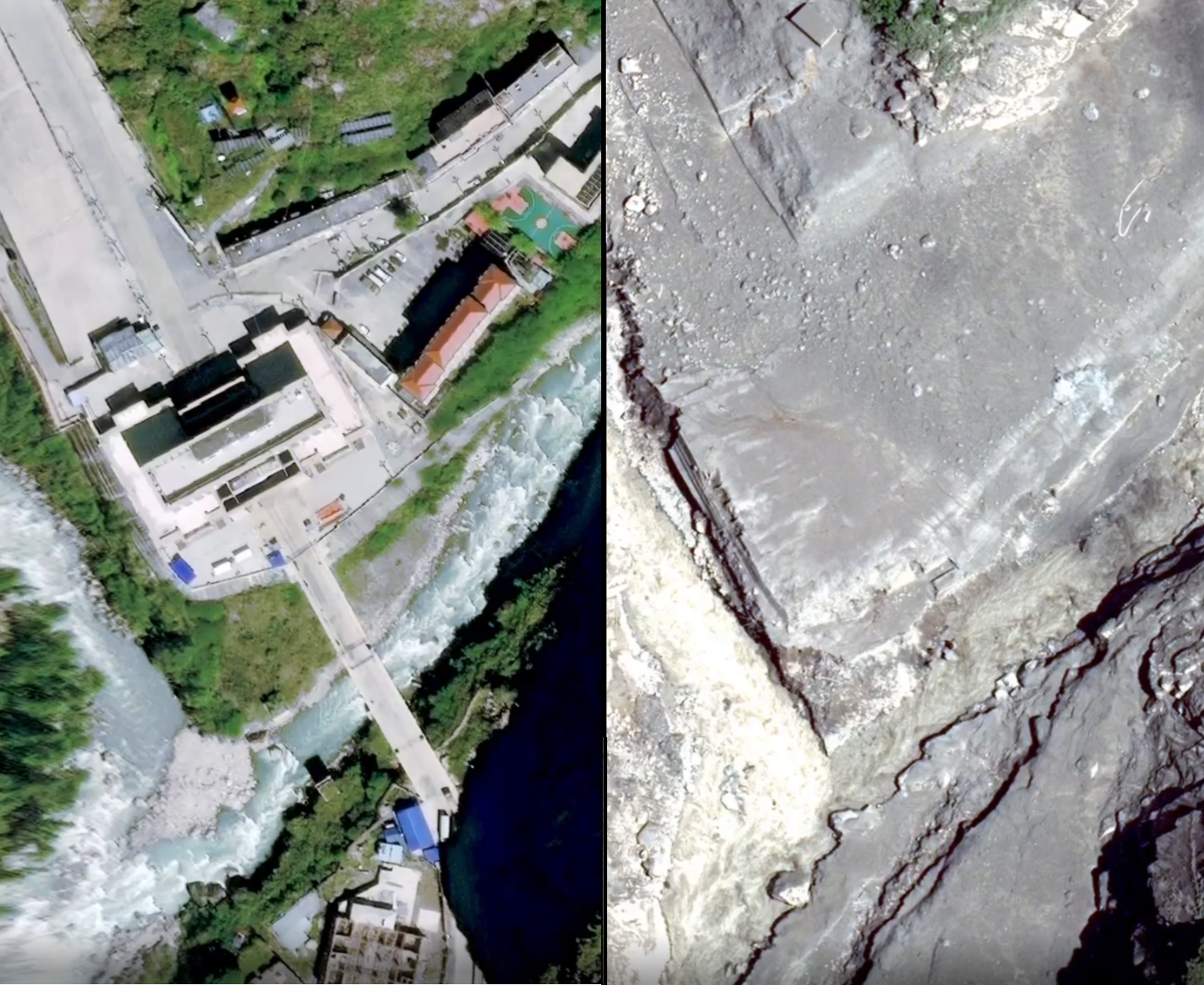
Destroyed roads and bridges made it difficult for emergency crews to reach communities cut off by the flood.
Communities and Critical Infrastructure Destroyed
The flood damaged settlements along the river system and struck an important travel and trade corridor between Nepal and Tibet. Roads and bridges were washed away, while power and communications failures made it difficult to determine who had escaped and who remained trapped.
Hydropower projects were among the hardest-hit sites. Rescue teams have focused on tunnels where hundreds of workers were feared trapped. Crews used heavy machinery to reach potential air pockets, while helicopters moved survivors and supplies to areas inaccessible by road.
The disaster also affected tourists and religious pilgrims traveling toward Mount Kailash. People from numerous countries were initially listed as missing, although some later contacted authorities after communications were restored. Missing-person figures can change sharply during a disaster because some people may be stranded or unable to call relatives.
A Difficult and Dangerous Rescue
Thousands of military personnel, police officers, medical workers and volunteers have taken part in the response. Search teams have faced deep mud, unstable slopes, damaged riverbanks and the threat of additional landslides. Continued rainfall and debris-blocked waterways have also created concern about new flooding.
International assistance has included technical teams, equipment and humanitarian aid. Restoring road access has allowed heavier machinery and specialized search equipment to move closer to the disaster zone, but some locations remain extremely difficult to reach.
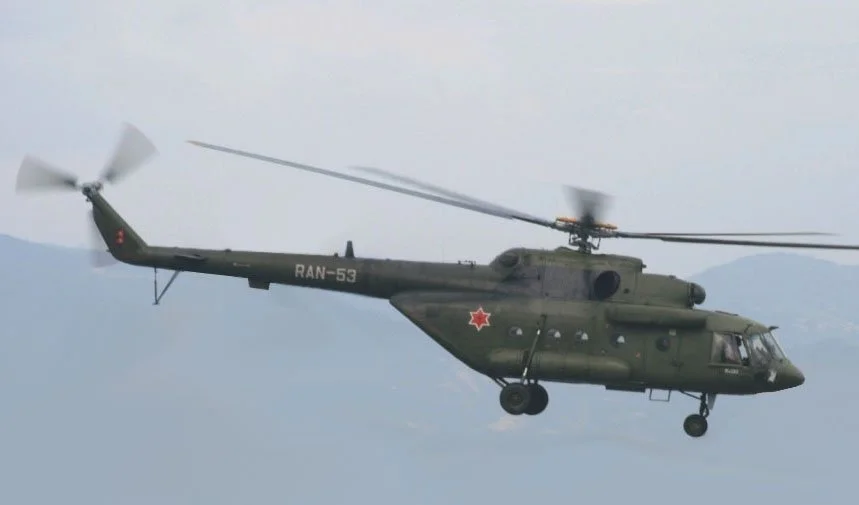
Helicopter in Nepal airlifting civilians out.
Why Himalayan Floods Can Become So Destructive
The Himalayas contain steep slopes, glaciers, unstable rock and narrow river valleys. A failure high on a mountain can trigger several connected hazards: an ice-and-rock avalanche may enter a river, displaced water may surge downstream, and debris may temporarily block a channel before suddenly breaking loose.
This chain of events can produce a flood that looks like a moving wall of mud and rock. It can also affect communities far from the original collapse, giving people downstream very little time to escape. Scientists have warned that high-mountain hazards are becoming increasingly complex as glaciers retreat, temperatures rise and unstable terrain is exposed.
The Crisis Is Not Over
For families of the missing, the disaster has entered a painful new stage. Rescue operations continue, but authorities are also identifying victims, restoring communications, delivering food and shelter, and assessing the enormous cost of rebuilding damaged communities and infrastructure.
People in affected areas should continue following local authorities, remain away from damaged river channels and unstable slopes, and avoid interfering with rescue operations. Anyone trying to locate a traveler should contact the traveler’s tour operator and their country’s embassy or consular emergency service rather than relying on unverified social-media lists.
The Saint Louis Weather Club will continue monitoring verified reporting as authorities release new information. Because casualty and missing-person totals remain fluid, the figures in this article should be checked again immediately before publication.
